Op Ed: Alpine Clubs, Rescue Insurance, and Travel Insurance- What do (I think) you need?
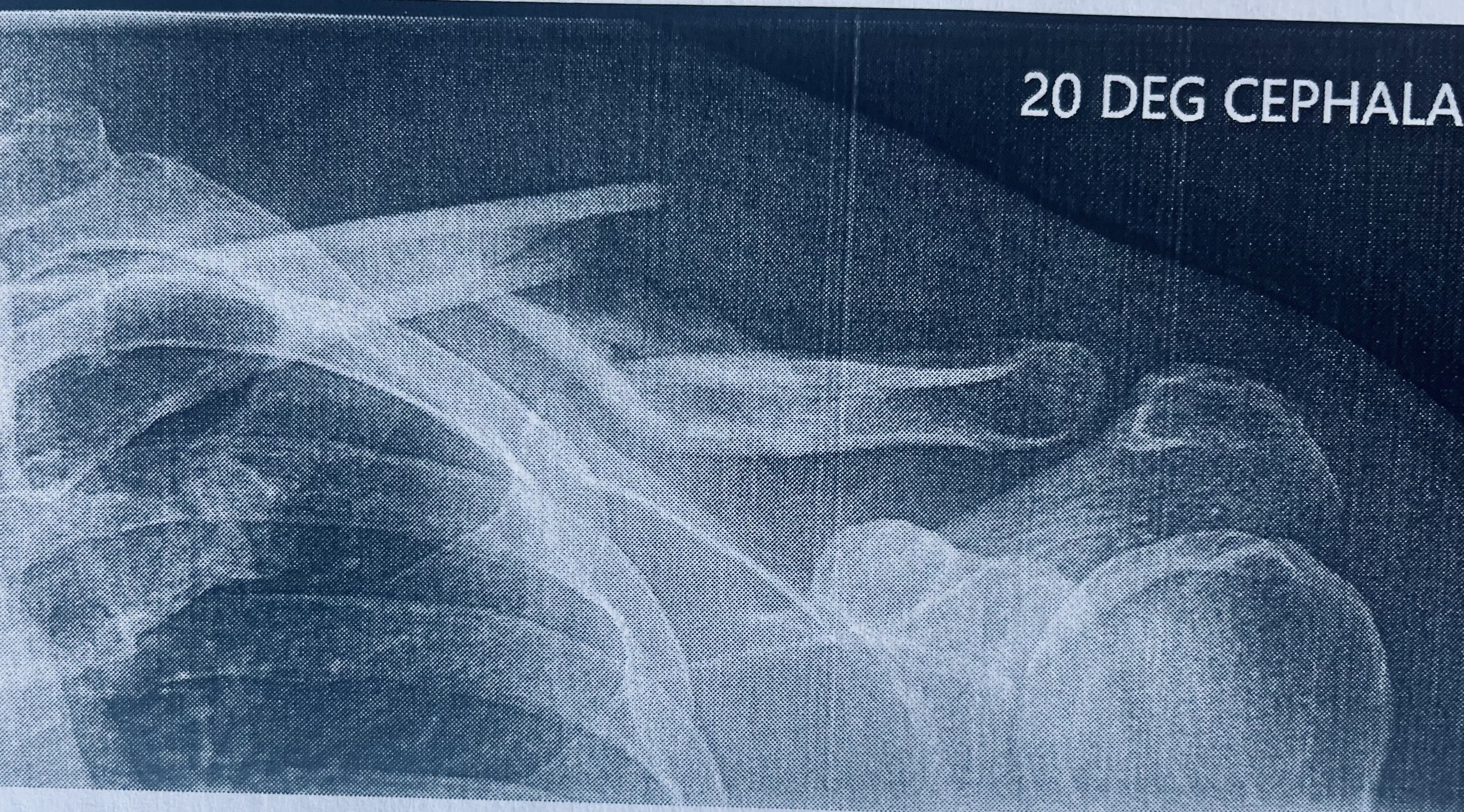
Your shoulder isn’t supposed to look like this, but mine did in July 2023. What kind of rescue insurance would I have wanted if this happened in the North Cascades? What if it had happened on the Matterhorn? What if it happened while I was riding a bicycle for fun the week before my Matterhorn trip? Here are my thoughts on the value of rescue and travel insurance.
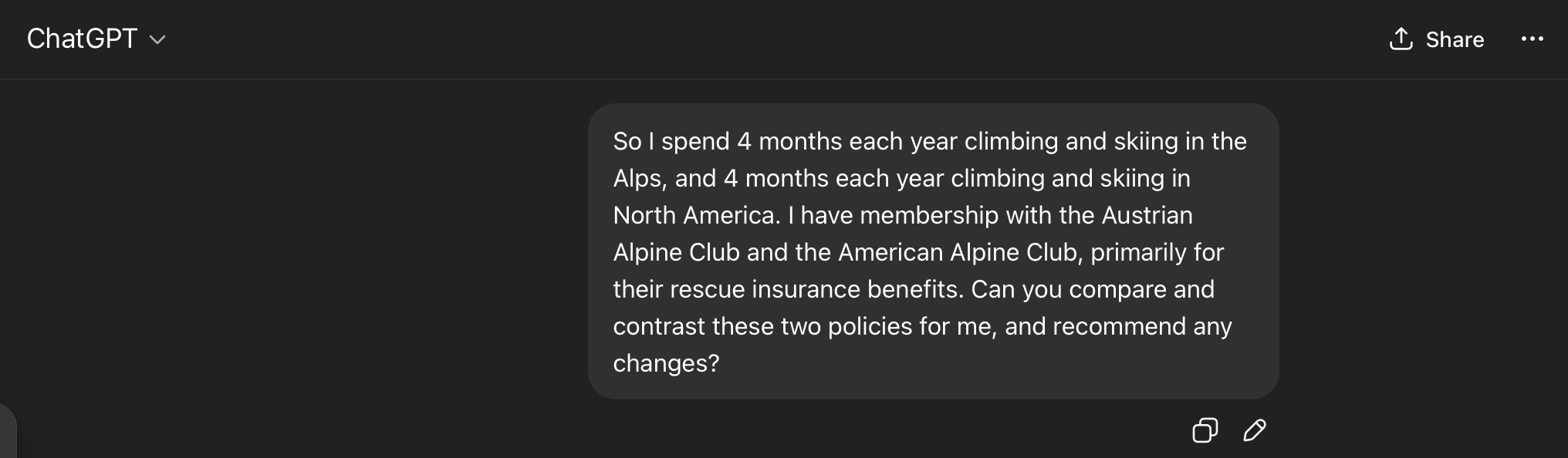
It seems to me every guide service encourages their guests to 1) be members of their local Alpine Club, 2) have good rescue and medical insurance, and 3) have travel insurance.What does some of this look like? I asked ChatGPT this question about my annual climbing experience and rescue insurance:
Simply put, liability and rescue costs are a more tangled web in North America, where it is far easier to file a claim in civil courts then it is in Europe. This affects the entire insurance industry for their respective continents. Many European insurance providers specifically cut out North America from their policy coverages, or require an additional add-on to include it. And American insurance providers are unfamiliar to European rescue services, which can slow down the administrative back-side after an accident. Most Europeans have a comprehensive rescue insurance policy provided through their local Alpine Club, and simply giving their Alpine Club membership ID number to rescue services is sufficient.
So if you’re climbing or skiing solely in North America, membership with the American Alpine Club might be all you need. Their rescue policy, provided by Redpoint Travel Protection, looks pretty good when paired with a good health insurance policy. It’s included with your basic annual membership to the AAC, covers $7500 in rescue services (like a helicopter) and an additional $5000-per-incident / $10000-per-year in rescue medical expenses (how would anyone needs this service more than once a year?). It has no elevation limits, and Redpoint Travel is available for consultation and assistance in getting travel home arranged. For an additional $150, this coverage can be bumped up to a $300,000 rescue and repatriation and the same $5000 rescue medical. It does not cover trips north of the Arctic Circle (66.5°N), or south of 60°S (Antarctica), but I believe Redpoint offers add-ons for those circumstances.
So if you were to do a trip to Denali, the straight up AAC membership would cover you. I would still consider upgrading for bigger expeditions (including Denali) - medical / rescue helicopter flights are $$$, often not covered by typical medical insurance policies. But for a weekend in the North Cascades? This is all I’d think about.
What about the Alps? I strongly, strongly recommend joining the Austrian Alpine Club - which has a “Foreigners Section” officed in the UK. Their membership and included insurance is understood and recognized throughout the Alps. For approximately $90 USD/year, members receive a $25000-per-incident rescue coverage, $10000 medical coverage, and unlimited “repatriation” coverage. This policy is good except above 6000m and worldwide except in North America, but add-ons are available for both circumstances. It also gets you up to a 40% discounted rate in all Alpine Club-operated huts throughout the Alps (and many private ones too).
What about travel insurance?
I go on and on about travel insurance. I buy it for all of my personal trips. I’ve actually had guests arrive in Switzerland, slip in the icy streets of Geneva on their first day, and break their ankle. Trip over. But I can’t give them a full refund because I can’t recoup the costs of bookings and my own time commitment. If they have travel insurance they will get reimbursed for EVERYTHING related to our (now cancelled) trip: what they’ve paid me, what they paid in reservations, and any additional charges they receive for changing their plane tickets home.
Another example for aspiring guides - the total cost of travel insurance for every AMGA course required to become an IFMGA Mountain Guide is less than the cost of one advanced AMGA course or exam. So if you tweak your knee the week before that ski exam, you could recoup all the costs you’ve committed to. Seems like a smart idea to me.
I just checked a quote from World Nomad for a two-week September trip rock climbing in Arco, Italy. The basic Standard policy would cost $111USD, or just $8/day. If I were to be backcountry skiing or climbing one of the 6000m peaks on another trip I would want the upgraded Explorer policy to cover those activities for $214. I’m already spending over $2000 on travel and lodging for this trip, adding $100-$200 for some financial security isn’t a big hit to my emotional wallet.
So at the end of the post:
I recommend that everyone join their local Alpine Club. I recommend that us North Americans also join the Austrian Alpine Club if you’re traveling to Europe. And I recommend that EVERYONE GET TRAVEL INSURANCE - my personal favorite is World Nomad.
This post is going to be immediately followed up with two more: step-by-step instructions to join the Austrian Alpine Club and step-by-step instructions to sign up for the best World Nomad coverage.
What do you think? Do you agree? Disagree? Do it somewhat different? Let me know in the comments!